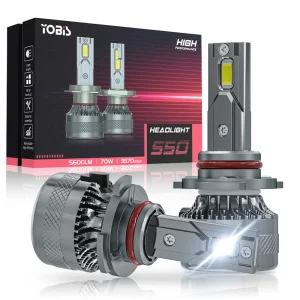
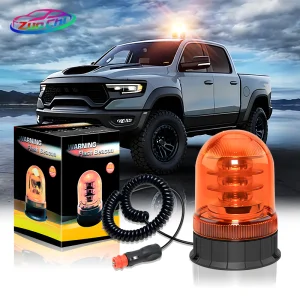
As global automotive platforms shift rapidly toward electrification and smart integration, electronic lighting components have transitioned from basic visual safety devices into sophisticated optoelectronic networks. This whitepaper analyzes the technology, logistics, and compliance infrastructure required by tier-1 automotive suppliers and global OEMs to secure robust lighting ecosystems.
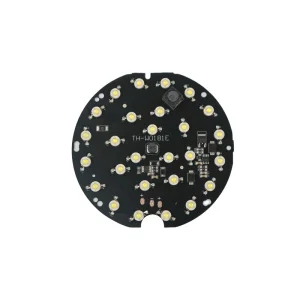
Modern vehicle components demand absolute precision in thermal management, optical propagation, and micro-circuitry design. High-power LED systems require advanced cooling mechanisms, metal-core PCBs (MCPCBs), and precision optical lens polymers to achieve optimal flux distribution without degradation.
Speed-to-market is governed by rapid tooling and prototyping capabilities. By utilizing optical-grade PMMA CNC machining and stereolithography (SLA) 3D printing, developers can validate photometric performance and mechanical tolerances down to 0.01mm prior to hard-tooling investment.
Navigating the complex regulatory requirements of international automotive markets requires strict adherence to ECE (E-Mark), FMVSS108 (DOT), CE, RoHS, and ISO9001:2015 frameworks. Compliance must be integrated directly into the initial product design process.
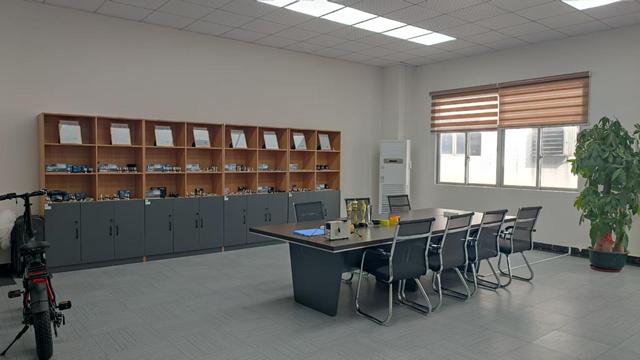
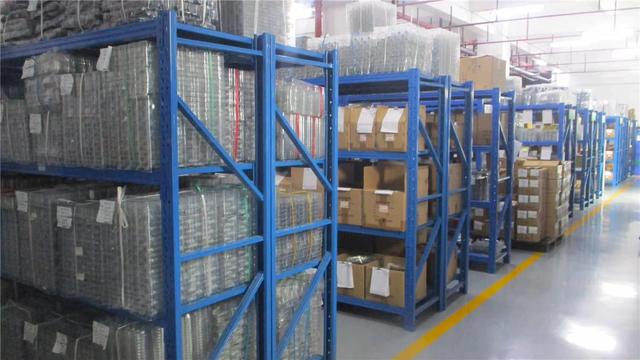
Established in 2012, Ningbo DERT Lighting Co., Ltd. is a professional manufacturer specializing in automotive lighting systems, LED headlights, and vehicle lighting solutions for global automotive aftermarket and OEM customers. Located in Ningbo, Zhejiang Province, China, the company operates a modern production facility covering approximately 18,000 square meters and employs more than 320 skilled professionals across engineering, manufacturing, quality assurance, research and development, and international sales departments.
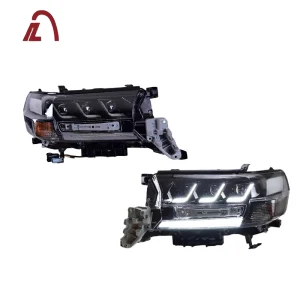
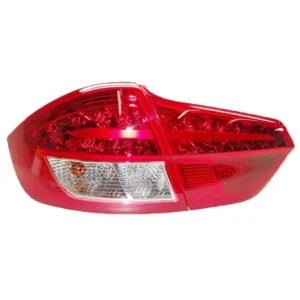
DERT Lighting focuses on the design, development, and production of automotive lighting products, including LED headlight systems, vehicle lighting assemblies, signal lighting solutions, commercial vehicle lighting products, off-road lighting systems, and customized automotive illumination technologies. The company serves automotive brands, distributors, wholesalers, importers, fleet operators, and aftermarket suppliers across international markets.
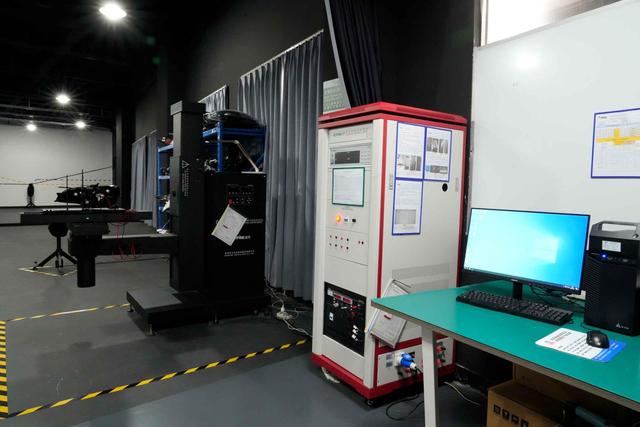
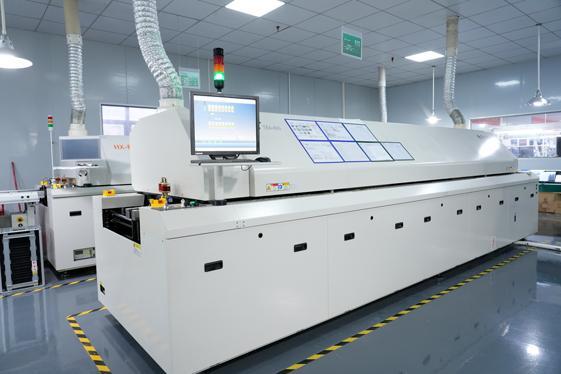
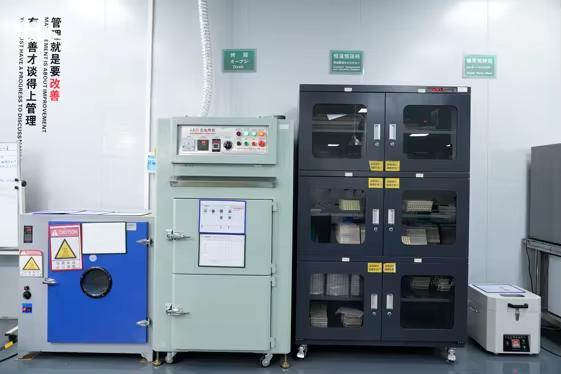
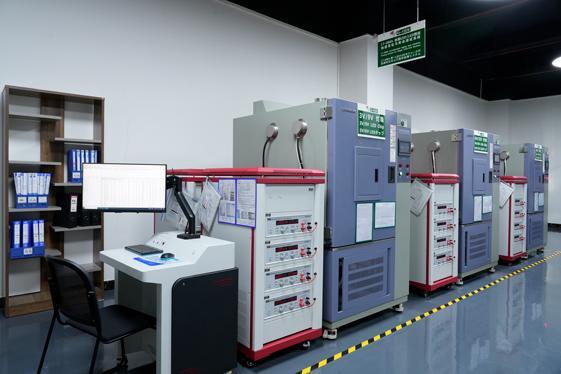
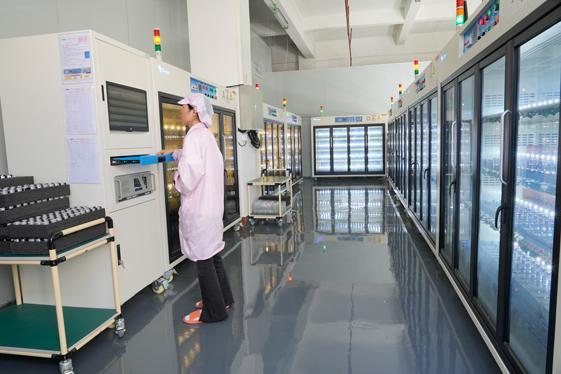
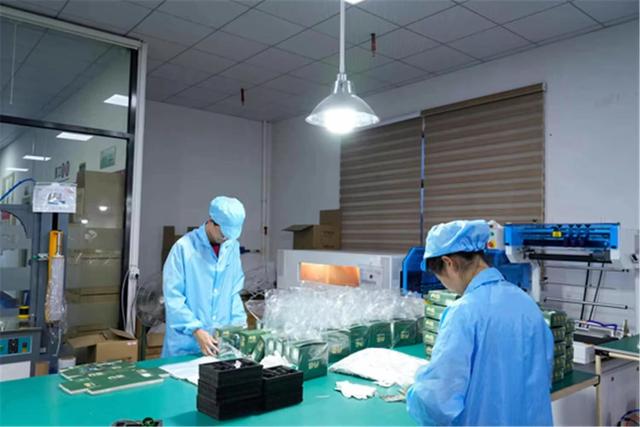
Supported by an experienced engineering team, DERT Lighting continuously invests in product innovation, optical design, thermal management technologies, electronic control systems, and manufacturing automation. The company integrates advanced production equipment, automated assembly lines, precision testing instruments, and standardized manufacturing processes to support consistent product quality and production efficiency.
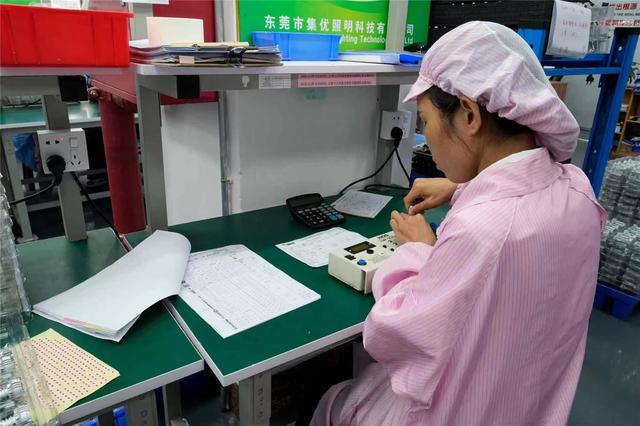
Quality management is implemented throughout every stage of production, from raw material sourcing and component inspection to assembly, performance testing, durability evaluation, and final quality verification. The company strives to manufacture automotive lighting products that meet the performance, reliability, and regulatory requirements of diverse international markets.
In addition to standard product manufacturing, DERT Lighting provides comprehensive OEM and ODM services, including product development, branding support, customized specifications, packaging solutions, and private-label manufacturing programs. Flexible production capabilities allow the company to support both emerging automotive brands and established industry partners.
Today, Ningbo DERT Lighting Co., Ltd. exports products to North America, Europe, South America, Southeast Asia, the Middle East, and other global regions, delivering reliable automotive lighting solutions for a rapidly evolving mobility market.
The concentration of automotive electronics manufacturing in Ningbo, Zhejiang Province, offers unparalleled structural advantages to international buyers. This regional ecosystem combines raw material access, precision tooling facilities, and deepwater maritime logistics, allowing for significantly reduced lead times and cost efficiencies compared to other manufacturing hubs.
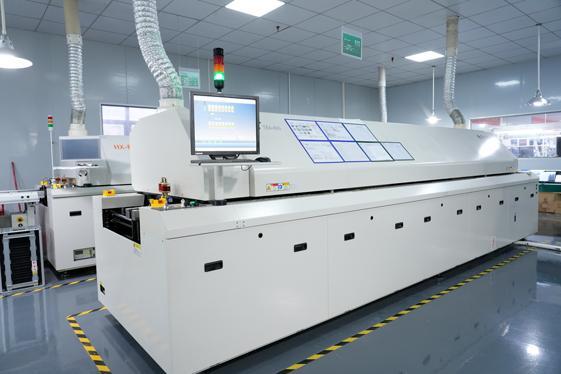
Ningbo hosts a complete supply chain network, ranging from optical-grade PMMA/polycarbonate raw material suppliers to specialized LED packaging plants, SMT placement lines, and surface treatment facilities. This minimizes transit times for sub-components, enabling rapid prototype turns and shorter production runs.
Positioned adjacent to the Port of Ningbo-Zhoushan—one of the world's busiest container cargo hubs—the facility ensures direct maritime access to all major global terminals. This proximity avoids inland freight delays and allows for seamless multimodal shipping strategies.
By running highly automated high-speed SMT machines, automated light assembly lines, and in-house testing labs under one roof, DERT achieves high output volumes while controlling costs, giving global distributors a competitive price advantage.
Procurement departments at Tier-1 automotive firms and large-scale industrial buyers operate under rigorous supplier evaluation frameworks. Securing a reliable long-term supply chain partner requires verification across several critical engineering capabilities:
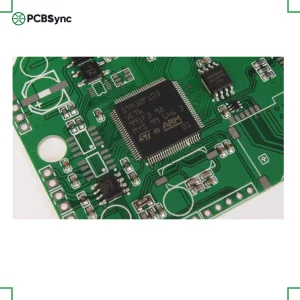
For custom LED headlights and smart controls, high-stability PCB assemblies (PCBA) are essential. Utilizing multi-layer metal core layouts and automated optical inspection (AOI), components are engineered to withstand the extreme thermal cycles and vibrations characteristic of automotive engine bays.
Optical design verification requires precise mechanical translation. Rapid CNC machining of PMMA automotive headlamps offers prototypes with surface tolerances within 0.01mm to 0.05mm, allowing photometric validation and structural check before manufacturing expensive injection molds.
For complex packaging envelopes, stereolithography (SLA) printing produces high-definition resin parts. This accelerates design validation of internal housing components, brackets, and connector seals, saving weeks in the product launch cycle.
Specialty applications, such as heavy-duty agricultural warning strobes and utility light pods, require certified dust and moisture seals. Our products undergo rigorous testing to meet IP67, IP68, and IP69K ratings for resilience against high-pressure washdowns.
The integration of solid-state lighting with digital communication networks has opened up new product possibilities. To maintain market share, distributors must adapt to several evolving design paradigms:
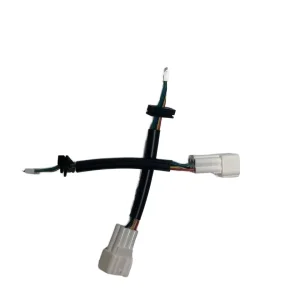
Modern lighting setups are no longer passive power draws. For example, IoT-enabled smart automotive headlight wiring harnesses with real-time locators allow fleet managers to monitor diagnostic states, power drops, and physical location directly through the vehicle's central CAN bus or wireless networks. This smart integration reduces troubleshooting downtime and enhances overall fleet security.
In industrial and commercial warehouse environments, integrating high-frequency radar sensors directly into lighting arrays has become the standard for energy management. These occupancy and daylight harvesting sensors adapt output based on real-time activity, providing significant energy savings and meeting strict municipal green energy building codes worldwide.
As off-grid lighting installations expand, the integration of advanced battery chemistry has grown in importance. Transitioning from standard lithium systems to high-performance vanadium flow battery systems offers long-duration energy storage, high cycle life, and thermal safety. This is ideal for isolated outdoor digital displays, highway warnings, and grid-independent perimeter lighting systems.
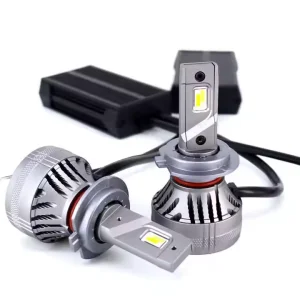
With high-intensity headlights generating significant heat at the junction point, active cooling systems featuring brushless fans, integrated copper heat pipes, and intelligent thermal throttling circuits are critical. Proper cooling ensures that 120W systems maintain stable lumen output without color shift or premature decay.
Different operating environments present distinct technical challenges. A reliable supplier must offer specialized, compliant solutions for every use case:
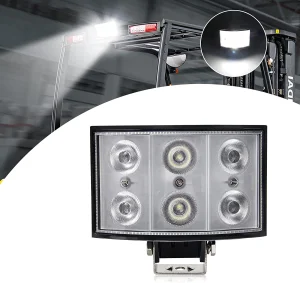
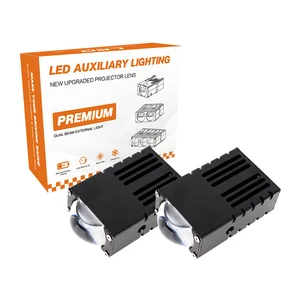
For vehicles operating in extreme environments, off-road pod work lights and auxiliary driving lights require wide voltage range compatibility (9V-32V DC), high-performance optical lenses, and robust die-cast aluminum housings to manage intense thermal loads and physical impacts.
Roof-mounted amber strobe warning lights demand compliance with SAE J845 Class 1 or Class 2 specifications. These units must provide visible signaling over long distances under bright daylight conditions, using UV-stabilized polycarbonate lenses to prevent yellowing.
High-bay industrial installations rely on smart radar occupancy and daylight sensors. These systems handle the high-inrush currents of multi-fixture setups, providing reliable performance in temperatures ranging from cold storage facilities to hot distribution centers.
Securing importing clearances and avoiding customs delays requires components that carry verified regional safety certifications. Our production processes align with the following regulatory frameworks:
Find detailed answers to common inquiries regarding our custom engineering capabilities, compliance certifications, and production processes.
We design our high-power LED headlights (such as the 120W automotive series) using Metal-Core PCBs (MCPCBs) paired with high-performance copper heat pipes and active cooling systems (fans operating up to 10,000 RPM). This configuration minimizes thermal resistance, keeping the LED junction temperature below critical thresholds to prevent lumen depreciation and color temperature shifts.
We accept standard CAD file formats, including STEP, IGES, Parasolid (x_t), and SolidWorks (sldprt) files for our high-precision CNC machining services. For rapid SLA 3D printing prototyping, we prefer clean, high-resolution STL files. Our engineering team can review your files to verify mold release parameters and wall thicknesses before initiating tool production.
Yes. We provide complete OEM/ODM support, which includes laser-etched branding on light housings, custom-designed inner gift boxes, and transport packaging tailored to your regional requirements. We ensure all packaging includes the necessary barcode structures, warnings, and localized certifications required by your target markets.
The harness integrates a low-power wireless micro-locator and diagnostic sensor directly into the cabling bundle. This design allows real-time tracking of vehicle location and monitors voltage and current parameters. By identifying issues like bulb failure or harness damage before they cause outages, it helps fleet operators plan maintenance efficiently and reduce downtime.
Our heavy-duty amber strobes and utility light bars use durable silicone gaskets, cast alloy housings, and direct wire-to-board over-molding. Each production batch undergoes automated pressure testing to verify seal integrity, ensuring reliable protection against water and dust ingress under harsh conditions (IP67/IP68/IP69K).
Prototype parts made via SLA 3D printing or PMMA CNC machining are generally delivered within 3 to 7 business days, depending on geometry complexity. High-volume production orders, including SMT line setup, component assembly, and quality validation, typically have a lead time of 25 to 35 days from receipt of deposit and approved drawings.
 DERT Lighting