Engineered to deliver exceptional thermal performance, durability, and optical precision for heavy transport, mining fleets, and Tier-1 automotive assemblies across Queensland.
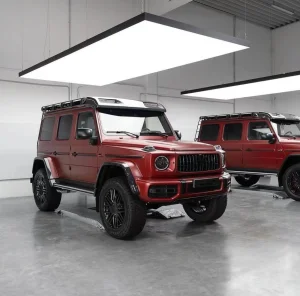
Brisbane serves as the absolute logistical and industrial gateway for Queensland’s vast mining, heavy agricultural, and logistics corridors. Operating along the Bruce, Warrego, and Cunningham Highways demands heavy-duty transport vehicles that can withstand extremely harsh environments. Commercial vehicles, public transport fleets, and resource-sector mining trucks operating out of Brisbane require highly resilient automotive lighting components.
The combination of extreme UV indexes, localized coastal salt-mist, corrugated outback road surfaces, and persistent high thermal loads causes rapid degradation in standard lighting components. Conventional polycarbonate lenses cloud over quickly, and generic electronics suffer solder fatigue from constant vibration. Our factory designs specifically for these parameters, integrating high-performance optical plastics (PMMA with UV protection coatings) and robust thermal dissipation paths into our custom LED modules and housing systems.
UV Degradation: Prolonged exposure to Queensland’s high UV radiation degrades inferior plastics, making lenses yellow and brittle. We use advanced PMMA formulations with custom hard-coat layers.
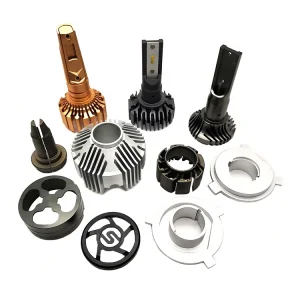
Thermal Management: Ambient temperatures exceeding 40°C in inland transport hubs like Toowoomba require superior heat dissipation. Our die-cast aluminum alloys and metal-core PCBs prevent thermal runaway in high-power LED headlights.
Vibration Fatigue: Long-haul trucking demands mechanical integrity. Our components undergo extreme vibration and shock simulation tests to ensure physical stability.
Ningbo DERT Lighting Co., Ltd. combines advanced materials engineering with state-of-the-art automation to manufacture lighting components that set global performance benchmarks.
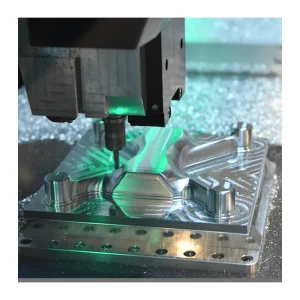
We provide comprehensive design-for-manufacturability (DFM) reviews, mold flow analyses, and custom high-precision mold manufacturing. This ensures that every headlamp and taillight housing has perfect dimensional tolerances and high-quality surface finishes, reducing assembly line rejection rates to under 0.05%.
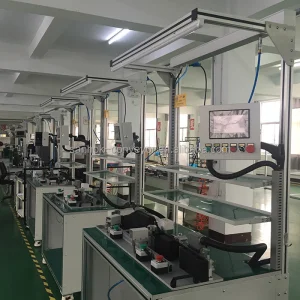
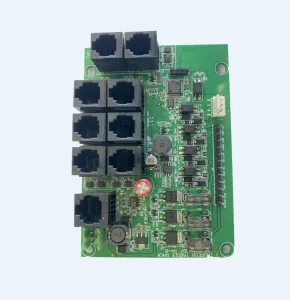
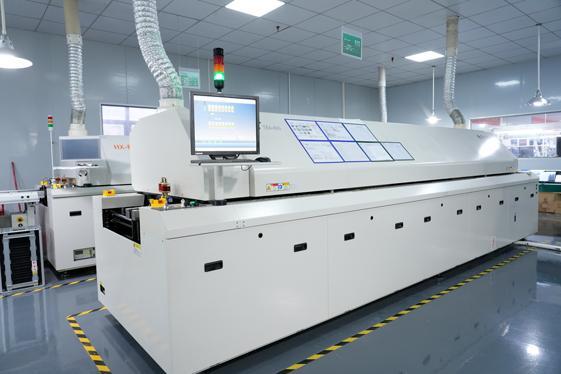
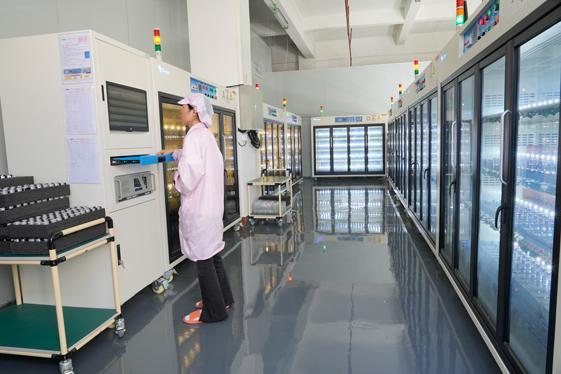
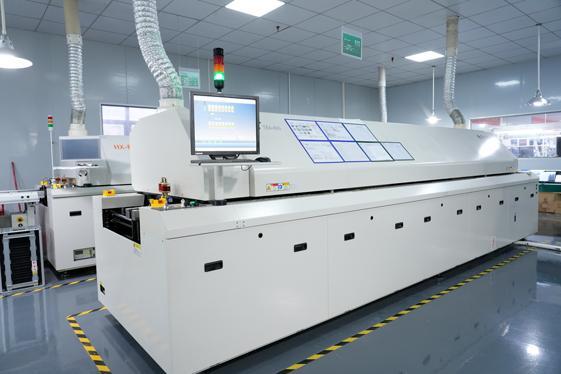
Our electronics cleanrooms run advanced surface-mount technology (SMT) lines configured for BGA, CSP, and high-power LED placement. Equipped with inline SPI (Solder Paste Inspection) and AOI (Automated Optical Inspection), we guarantee zero defect escapes for critical vehicle lighting driver circuits.
Using industry-leading ray-tracing software, our optical engineers design complex freeform reflectors and light guide systems. We shape light output profiles to meet complex beam patterns like low beam cutoffs, high beam range, and signal brightness without causing glare to oncoming drivers.
Any vehicle lighting component entering the Australian market must align with the rigorous requirements of the Australian Design Rules (ADR). For headlight systems, signal lamps, and daytime running lights, strict compliance with ADR 13/00, ADR 46/00, and ADR 76/00 is mandatory to ensure public safety and vehicle legality.
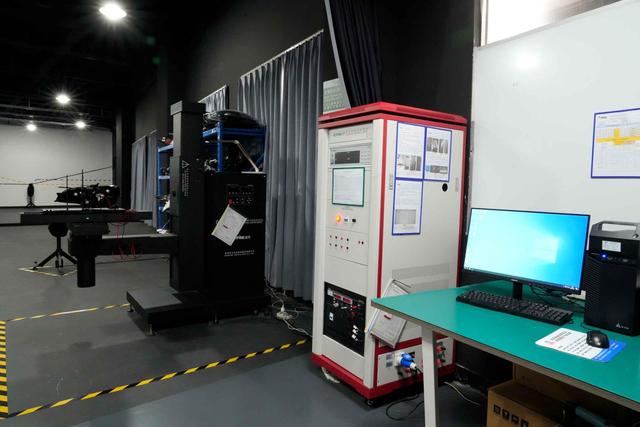
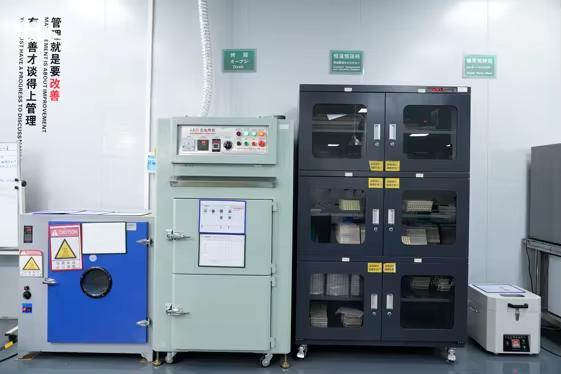
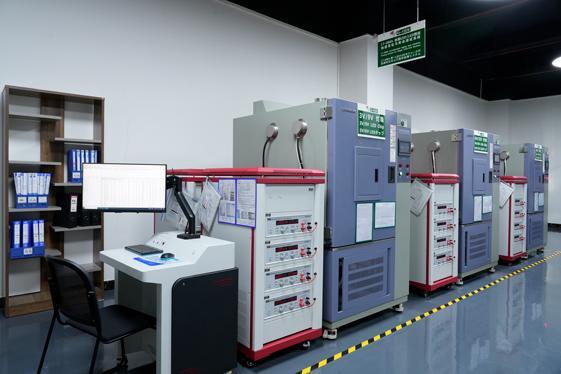
Our in-house photometric laboratories and environmental testing chambers verify that every custom product meets these precise specifications. We provide complete testing reports, covering luminous flux, color temperature distribution, electrical efficiency, and electromagnetic compatibility (EMC/EMI). This comprehensive verification ensures your imports proceed smoothly through customs and achieve hassle-free registration and transport approvals in Queensland.
A resilient supply chain depends on speed, predictability, and cost efficiency. Here is how our location and logistics model benefit Brisbane customers.
Our factory is located close to the Port of Ningbo, one of the world's most active and efficient shipping hubs. This strategic location enables direct container shipping lanes to the Port of Brisbane, reducing transit times to 14–18 days, minimizing domestic transshipment delays, and lowering freight costs.
We leverage the China-Australia Free Trade Agreement (ChAFTA). By providing correct Certificates of Origin (Form FTA) and matching product tariff codes (HS Codes), our logistics teams help Brisbane importers qualify for zero-tariff treatment on many automotive lighting components.
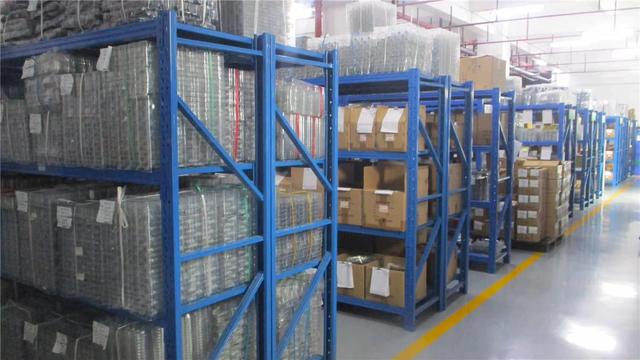
We combine advanced production scheduling with raw material buffer stocks to ensure predictable lead times. Our standard production cycle is 30–45 days, and we offer flexible warehousing options to support just-in-time (JIT) manufacturing and assembly schedules in Brisbane.
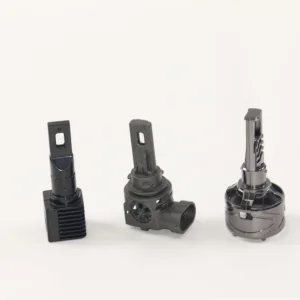
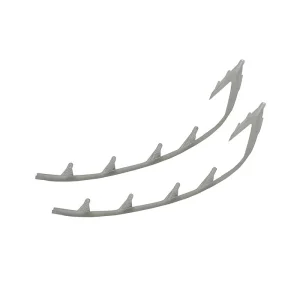
A comprehensive line of custom injection-molded housings, high-performance LED light bars, and precision-engineered PCB assemblies, all manufactured to international standards.
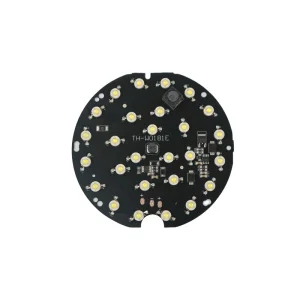
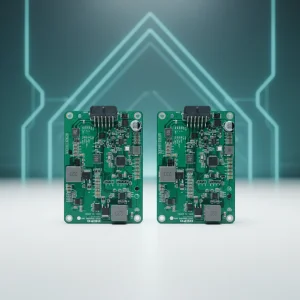
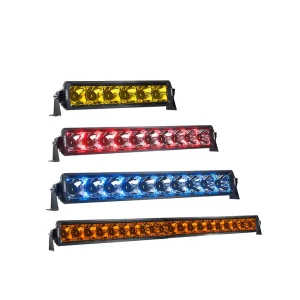
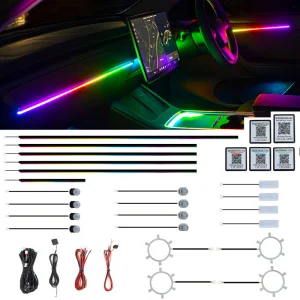
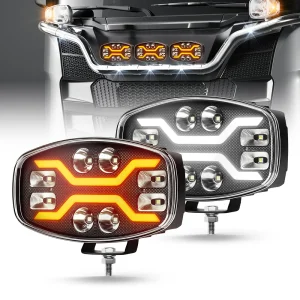
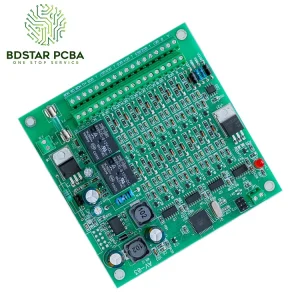
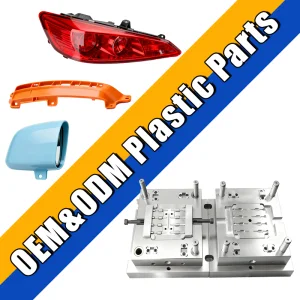
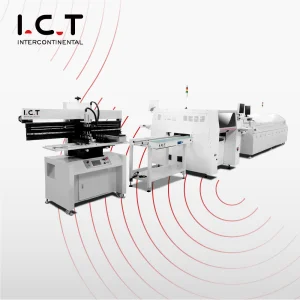
To survive in harsh industrial environments, automotive lighting systems must combine precise optical design, durable mechanical housings, and robust electronic circuits. Here, we outline the key engineering challenges and the manufacturing solutions we use to overcome them.
High-power LED chips generate significant heat at the p-n junction. If this heat is not dissipated efficiently, it leads to rapid color shift, reduced light output, and early component failure. To manage this thermal challenge, we manufacture LED assemblies on Metal Core Printed Circuit Boards (MCPCBs). These boards feature a copper or aluminum core paired with a high-conductivity dielectric layer, offering thermal conductivities of 2.0 to 3.0 W/mK—far superior to traditional FR4 boards.
In our die-cast housing assemblies, we use premium aluminum alloys (such as ADC12 or AL6063) designed with optimized cooling fin geometries. This configuration maximizes convective heat dissipation, maintaining junction temperatures below 85°C even in ambient temperatures of up to 45°C.
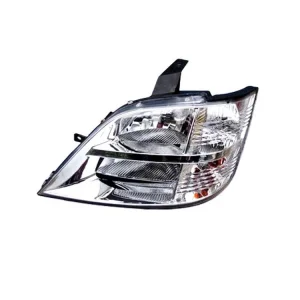
The outer lens and housing serve as a vehicle's primary defense against debris, moisture, and UV radiation. We manufacture headlight and taillight housings using high-performance polycarbonate (PC) and polymethyl methacrylate (PMMA) polymers. PC delivers high impact resistance and structural stability, while PMMA provides excellent optical clarity and resistance to environmental weathering.
To prevent yellowing and micro-cracking caused by Australia’s high UV levels, we apply specialized anti-UV and scratch-resistant hard coatings. Our cleanroom facilities run automated multi-component injection molding systems to produce parts free of internal stress points, flow marks, and dimensional drift, guaranteeing a secure, weatherproof seal (rated to IP67 and IP69K).
Automotive LED driver electronics must operate reliably under changing voltages, electrical surges, and constant engine vibration. Our surface-mount technology (SMT) lines are optimized for high-precision component placement, including Ball Grid Array (BGA) and chip-scale packages.
We use lead-free, high-reliability solder alloys and advanced reflow profiles to prevent micro-voiding and solder joint cracking. Every manufactured circuit board undergoes automated inspection steps, including 3D Solder Paste Inspection (SPI), Automated Optical Inspection (AOI), and functional end-of-line (EOL) testing. Additionally, conformal coatings protect components against humidity and airborne contaminants.
Our operations are certified to IATF 16949:2016, the global quality standard for the automotive industry. This framework ensures complete traceability across our supply chain—from raw material batches to finished assemblies. Every product series is marked with unique laser-etched barcodes, allowing us to track manufacturing parameters, component origins, and testing histories, giving our customers total transparency.
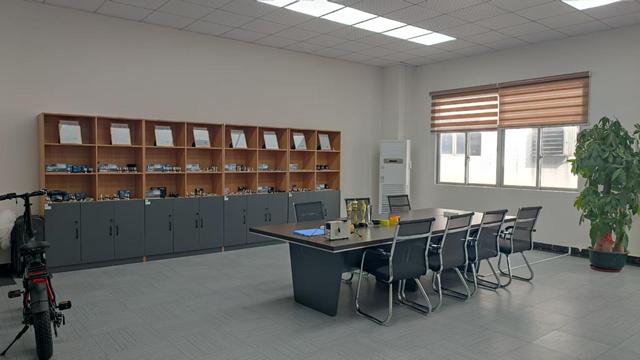
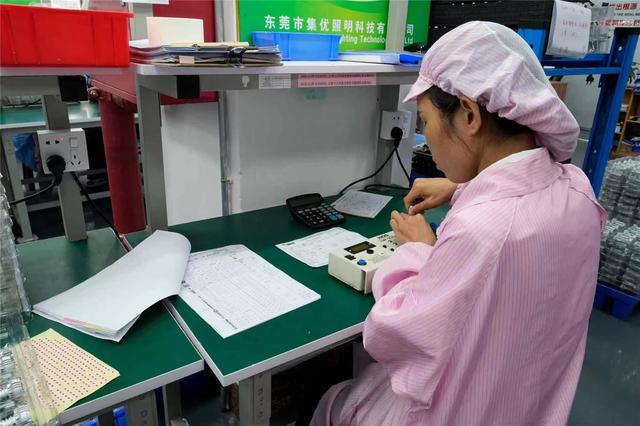
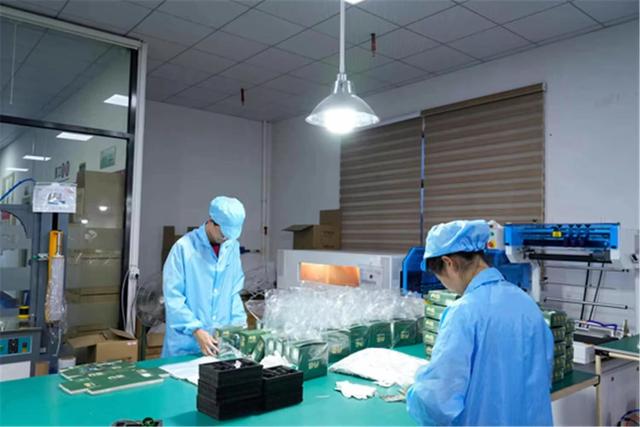
A tour of our modern 18,000 square meter manufacturing plant, highlighting our advanced assembly technology, testing labs, and high-volume production capabilities.
Expert answers to common technical, regulatory, and logistical questions for companies sourcing automotive lighting components for the Australian market.
We use in-house goniophotometer systems to verify beam patterns, luminous intensity distributions, and chromaticity coordinates. All designs are audited against ECE regulations (which align closely with ADR requirements), and we provide full test reports to simplify local compliance and registration processes in Australia.
To prevent polycarbonate from degradation under Australia's intense UV index, we apply a hard silicon-based coating (UV cure or thermal cure). This hard coat provides excellent protection against UV radiation and improves surface scratch resistance, keeping lenses clear for years.
For custom OEM/ODM tooling, the initial design and mold flow analysis take 10–15 days. Mold fabrication and sample production take 35–45 days. Once samples are approved by the client, standard production runs require 30–40 days, depending on order volume.
We offer flexible shipping terms including FOB, CIF, and DDU. Using direct shipping lanes from the Port of Ningbo to the Port of Brisbane, transit times average 14–18 days. We also provide complete documentation, including FTA Certificates of Origin, to help clients clear customs efficiently and qualify for zero-tariff benefits under ChAFTA.
We strictly follow the IATF 16949 quality standard. Every PCBA run undergoes 3D Solder Paste Inspection (SPI), Automated Optical Inspection (AOI), and X-Ray analysis for BGA components. We also conduct functional end-of-line testing and thermal cycling to eliminate early-stage failures before the boards are installed into lamp housings.
 DERT Lighting