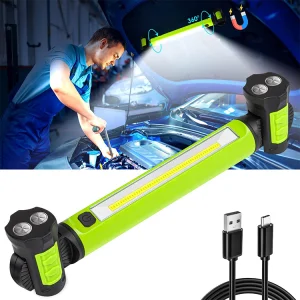
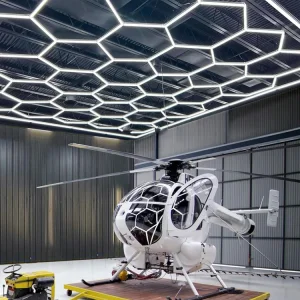
Engineered to precise OEM specifications, optimizing photometric accuracy and thermal management for extreme conditions.
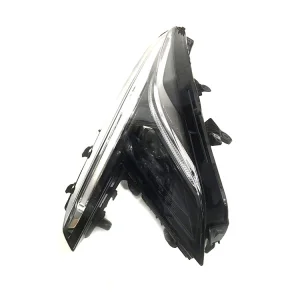
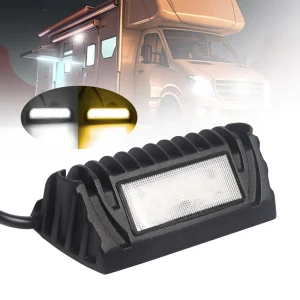
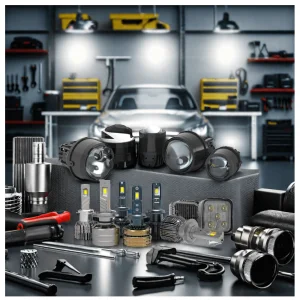
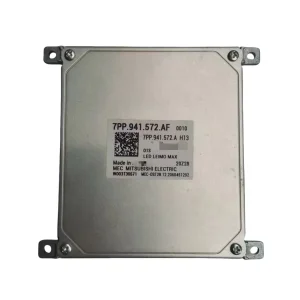
Analyzing B2B procurement trends, smart matrix integration, and strict regulatory transformations across global automotive markets.
The global automotive illumination market is undergoing a seismic paradigm shift. What once served as basic, safety-mandated warning lights and forward visibility illumination has evolved into smart optoelectronic systems integrated with Advanced Driver Assistance Systems (ADAS). Driven by global decarbonization targets, vehicle electrification (EVs), and autonomous mobility development, current illumination platforms are forced to deliver greater lumen output while consuming significantly less power.
Industrial operations, logistics fleets, and passenger OEMs globally require illumination solutions that survive harsh vibration, thermal cycle stress, and chemical exposures. High-end platforms leverage adaptive driving beams (ADB) and matrix technology, which dynamic-sensor inputs can control to shape light fields in real-time, preventing oncoming drivers from blinding glare. Additionally, the transition toward Solid-State Lighting (SSL) has enabled deep miniaturization, allowing automotive designers to run slimmer structural signatures with superior aerodynamics and cooling profiles.
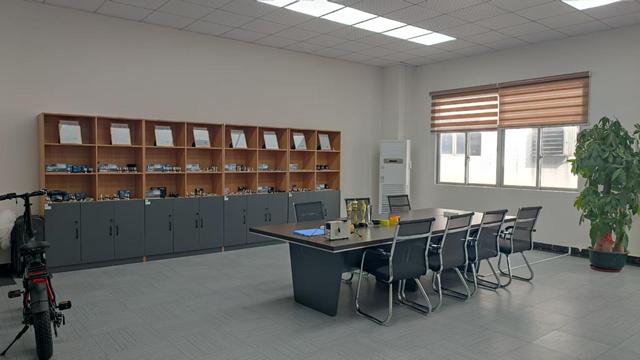
Established in 2012, Ningbo DERT Lighting Co., Ltd. is a professional manufacturer specializing in automotive lighting systems, LED headlights, and vehicle lighting solutions for global automotive aftermarket and OEM customers. Located in Ningbo, Zhejiang Province, China, the company operates a modern production facility covering approximately 18,000 square meters and employs more than 320 skilled professionals across engineering, manufacturing, quality assurance, research and development, and international sales departments.
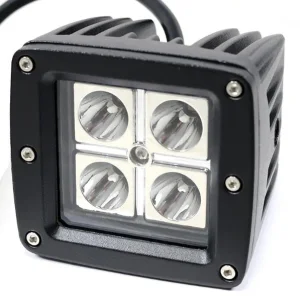
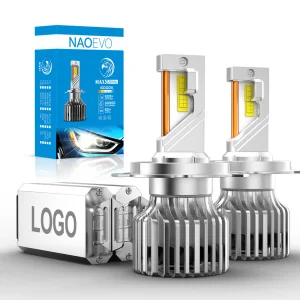
DERT Lighting focuses on the design, development, and production of automotive lighting products, including LED headlight systems, vehicle lighting assemblies, signal lighting solutions, commercial vehicle lighting products, off-road lighting systems, and customized automotive illumination technologies. The company serves automotive brands, distributors, wholesalers, importers, fleet operators, and aftermarket suppliers across international markets.
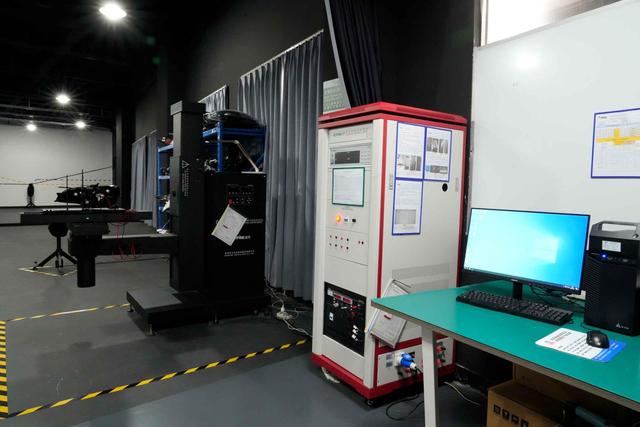
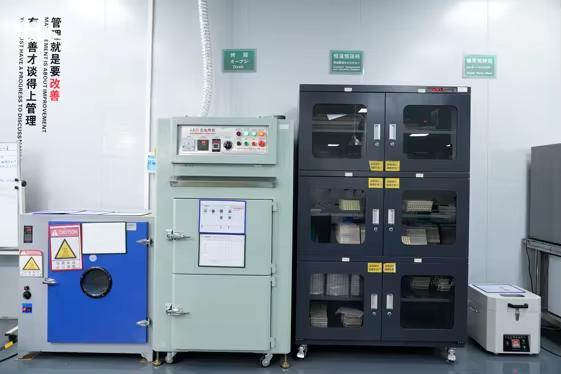
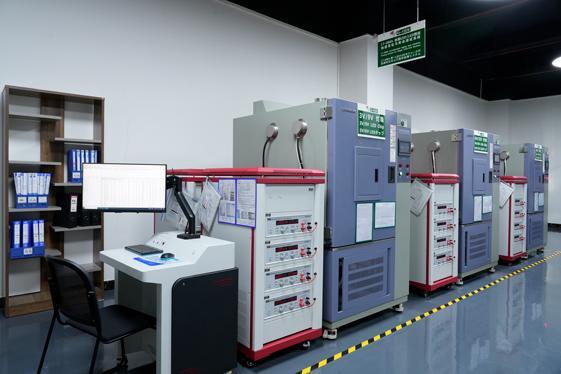
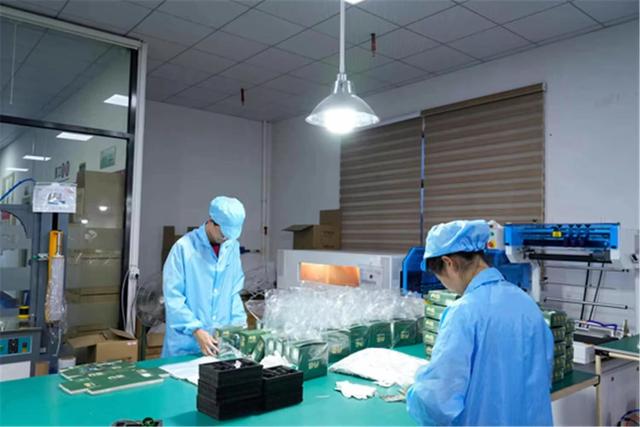
Supported by an experienced engineering team, DERT Lighting continuously invests in product innovation, optical design, thermal management technologies, electronic control systems, and manufacturing automation. The company integrates advanced production equipment, automated assembly lines, precision testing instruments, and standardized manufacturing processes to support consistent product quality and production efficiency.
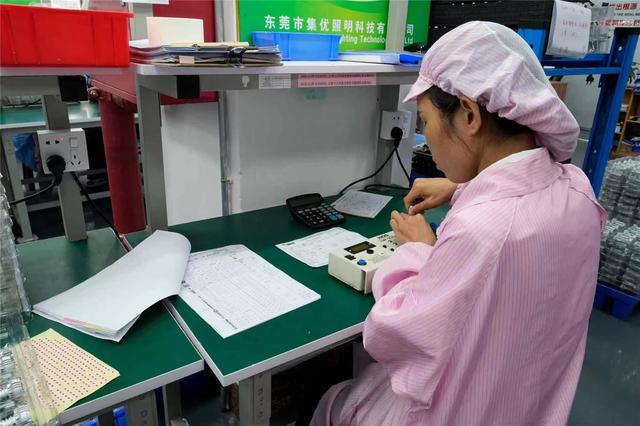
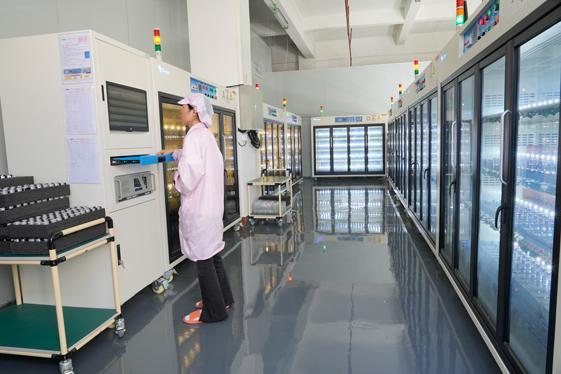
Quality management is implemented throughout every stage of production, from raw material sourcing and component inspection to assembly, performance testing, durability evaluation, and final quality verification. The company strives to manufacture automotive lighting products that meet the performance, reliability, and regulatory requirements of diverse international markets.
In addition to standard product manufacturing, DERT Lighting provides comprehensive OEM and ODM services, including product development, branding support, customized specifications, packaging solutions, and private-label manufacturing programs. Flexible production capabilities allow the company to support both emerging automotive brands and established industry partners.
Today, Ningbo DERT Lighting Co., Ltd. exports products to North America, Europe, South America, Southeast Asia, the Middle East, and other global regions, delivering reliable automotive lighting solutions for a rapidly evolving mobility market.
How Advanced Optoelectronics, Precision Heat Mitigation, and Digital Drivers Form the Core of Modern Illumination Infrastructure.
Thermal mitigation is key to LED lifespan. Our lights leverage insulated metal substrate (IMS) PCBs and phase-change materials (PCM) to rapidly draw heat away from the diode junction, preventing thermal degradation and preserving chip lumen efficiency.
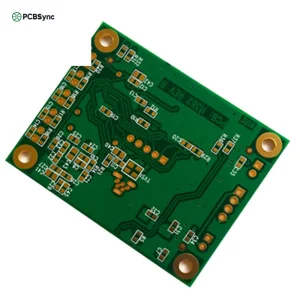
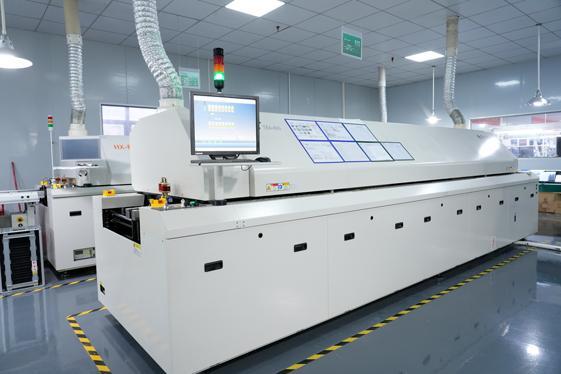
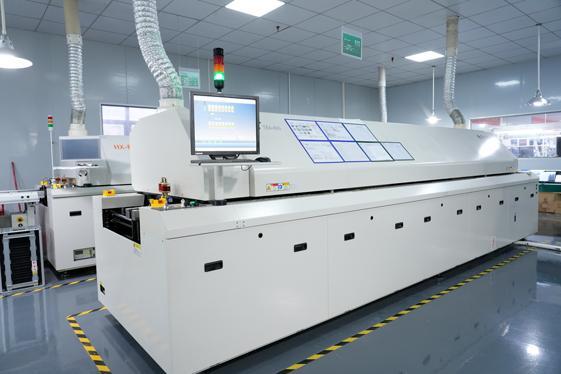
Using in-house surface-mount technology (SMT), we integrate custom PCB designs equipped with intelligent driver circuits. These drivers control current output, resolve CAN-bus dashboard warning issues, and ensure electromagnetic compatibility (EMC).
Optical precision ensures light lands exactly where needed. Utilizing PMMA collimators and precision free-form reflectors, our systems create distinct cut-off lines for low beams and deep, focused throw capabilities for high-beam operations.
Exploring the systemic efficiency, vertical integration, and cost-to-performance advantages of Ningbo DERT's high-scale production lines.
The production of vehicle illumination systems in China represents a highly integrated supply network. For global Tier-1 automotive brands, aftermarket networks, and fleet distributors, China-based manufacturing provides massive logistical advantages. The clustering of component suppliers in the Zhejiang region—ranging from specialized aluminum die-cast foundries to optoelectronic chip packaging centers—minimizes material transport lag and ensures rapid component iteration.
Ningbo DERT Lighting Co., Ltd. capitalizes on this unique geographic configuration. Drawing from regional high-precision metal manufacturers, advanced raw material suppliers, and specialized optical film vendors, DERT can move from conceptual design to functional 3D prototype parts in a matter of weeks. The proximity to the Port of Ningbo, one of the busiest and most connected deep-water shipping centers in the world, facilitates rapid, cost-effective ocean freight routes to Europe, the Americas, and Australasia.
Beyond logistics, China's factory advantages are defined by automation. The modern DERT manufacturing facility leverages automated SMT equipment, computerized optical testing units, and high-speed robotic assembly arms. This automation limits manual assembly errors, maximizes product reproducibility, and optimizes structural yields. By combining low manufacturing overhead with advanced quality-assurance equipment like goniophotometers and environmental testing chambers (testing for salt spray, dust, humidity, and vibrations), DERT ensures industrial-grade reliability at highly competitive pricing.
Automotive lighting demands fluctuate significantly based on local operating conditions and environments. Our vehicle illumination engineering addresses distinct, specialized use cases:
Engineered with advanced circuitry, high-density optical lenses, and rugged housings built to withstand demanding environments.
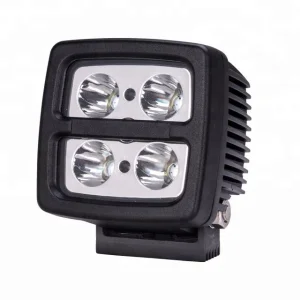
Analyzing key structural factors that procurement managers evaluate when auditing automotive lighting manufacturers.
B2B automotive lighting procurement involves navigating complex regulatory frameworks. To import lighting assemblies into major markets, products must carry certification marks, such as FMVSS 108 / DOT in the United States and ECE regulations in the European Union. Non-compliant vehicle illumination can result in costly import delays, regulatory fines, and product recalls. Procurement departments prioritize manufacturers that maintain IATF 16949-certified quality systems, ensuring traceability and consistency from material intake to end-product delivery.
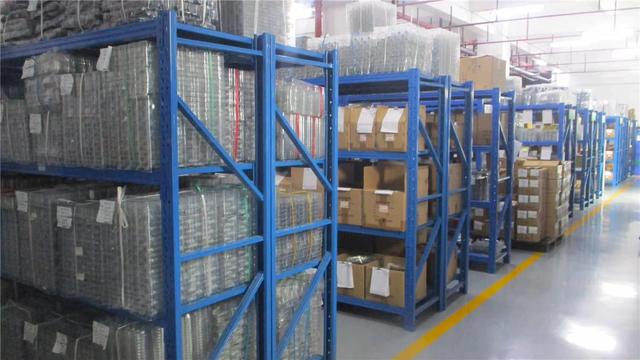
In addition to regulatory compliance, supply chain managers require robust production capacities to mitigate stock shortages. DERT Lighting addresses this through structured manufacturing scheduling, clear component sourcing paths, and end-to-end trace documentation. Partnering with a manufacturer that provides comprehensive OEM/ODM engineering support allows automotive brands to launch custom products without managing multiple intermediate vendors.
Looking ahead, several key trends will shape the vehicle illumination industry:
Technical guidance on procurement, custom PCBA design, regulatory certification, and thermal management.
 DERT Lighting