Car Lighting Solutions Factories & Factory Serving the Austria Market

Providing ECE-Compliant, High-Performance OEM/ODM Automotive Illumination & Energy Systems Engineered for High Alpine Environments and Municipal Fleets

Send Inquiry Now Explore Solutions

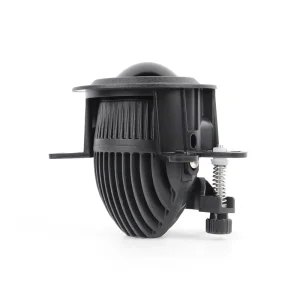
Primary Automotive Lighting & Structural Solutions

Engineered to meet the safety protocols and rigid climate demands of Austria's road networks, from the eastern plains to the deep alpine passes.

Austrian Automotive Industry and Lighting Technology Demands

The Austrian automotive ecosystem is characterized by its rigorous safety frameworks, engineering excellence, and extreme environmental conditions. From the steep slopes of the Alps to the busy transit corridors connecting Eastern and Western Europe, vehicles operating in Austria require lighting systems that offer superior optical accuracy, long-term durability, and strict conformity to European regulations. For B2B procurement managers and Tier-1 automotive suppliers operating within the Austrian market, selecting an automotive lighting partner requires a deep understanding of local compliance frameworks, meteorological challenges, and the technological landscape.

1. Severe Climatic Demands and Engineering Countermeasures

Austria’s geographical topography ranges from the humid continental climate of the Vienna basin to the severe alpine conditions of western provinces like Tyrol, Salzburg, and Vorarlberg. During winter, alpine roads are subjected to heavy snowfall, thick fog layers in valleys, and extensive salt application (both sodium chloride and calcium chloride brines). This creates two main challenges for automotive lighting solutions:

  • Salt-Spray and Electrochemical Corrosion: Standard polymer brackets and metal frames degrade quickly under prolonged contact with winter road brines. High-quality fixtures must employ premium-grade stainless steel or anodized aluminum (AlMg3 or higher) to resist oxidation. Similarly, optical reflectors must be sealed against corrosive airborne particulates.
  • Condensation and Thermal Shock: Temperatures can shift from warm subterranean road tunnels to below-freezing exterior mountain air in a matter of seconds. Standard sealed units trap internal humidity, causing condensation on the lenses and lowering luminous output. To combat this, automotive lamps serving Austria must feature advanced pressure-compensating membranes (e.g., ePTFE vents) that allow air exchange while maintaining water exclusion ratings of IP67 or IP69K.

“Technical Note: The standard ECE R19 fog lamp specification is not merely a legal checkbox in the Austrian Alps; it is an active safety tool. Precision light distribution must minimize upward scatter to prevent self-glare in dense fog, requiring high-intensity LED chips backed by thermal management substrates that maintain structural efficiency at extreme temperatures.”

2. Regulatory Alignment and Austria's "Pickerl" Inspection (Paragraph 57a KFG)

In Austria, periodic vehicle inspections under Paragraph 57a of the Motor Vehicles Act (KFG) are exceptionally strict. Any aftermarket replacement or OEM component must carry visible European Type Approval Marks (E-marks). For headlights, auxiliary lamps, and warning lights, this means strict adherence to UNECE regulations:

  • ECE R112 (Asymmetric Beam Headlights): Replacement LED modules must maintain the strict horizontal cut-off line required to prevent blinding oncoming traffic on narrow mountain roads.
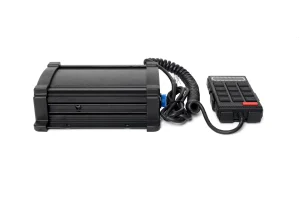
  • ECE R65 (Emergency Warning Lights): For municipal road maintenance, emergency response, and mountain rescue services, warning lights must comply with the luminous intensity, color coordinates, and flash patterns outlined in ECE R65.
  • ECE R10 (Electromagnetic Compatibility): Modern hybrid and electric vehicles contain highly sensitive ADAS systems. Lighting electronics must not emit electromagnetic interference (EMI) that disrupts onboard safety sensors.

Smart Informational & Digital Display Solutions

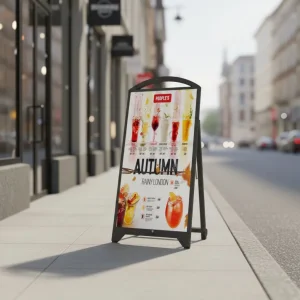
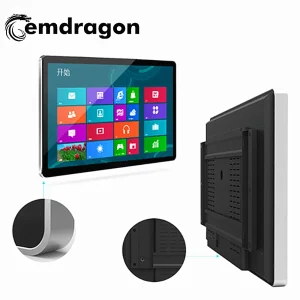
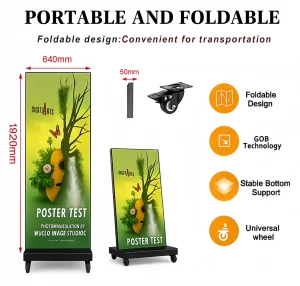
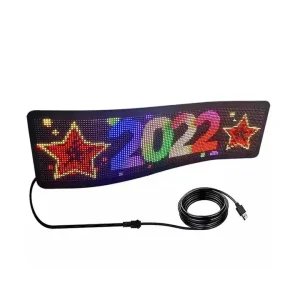
Advanced transit and marketing displays engineered to operate in public spaces, transport terminals, and commercial fleet applications across Austrian cities.

Technology Roadmap: The Future of Vehicle Lighting

The global automotive industry is undergoing a structural shift toward electrification, carbon neutrality, and autonomous operation. In Austria, a nation committed to achieving net-zero emissions by 2040, these changes dictate that automotive components must be highly efficient, circular in design, and digitally integrated.

1. Low-Power High-Flux LED Architectures

For electric vehicles (EVs), energy management is critical. Every watt consumed by auxiliary lighting systems translates to reduced driving range, especially in sub-zero winter temperatures when the vehicle's battery is already under load for cabin heating. The latest generation of LED headlamps must achieve luminous efficacies exceeding 120 lm/W. By utilizing high-density phosphor coatings and advanced multi-chip packaging, modern headlamp factories can provide superior road illumination while consuming up to 60% less energy than standard halogen systems.

2. Advanced ADAS Integration & Dynamic Beam Patterns

As Level 2+ driver assistance systems become standard on Austrian highways, headlamp technology is evolving from static beams to dynamic, adaptive projection. Adaptive Driving Beam (ADB) systems utilize matrix LED technology linked to front-facing vehicular cameras. These systems selectively dim individual LED pixels to prevent blinding oncoming drivers while maintaining maximum illumination on the shoulder and road path. This is a critical safety upgrade for dark, winding mountain passes in provinces like Vorarlberg and Tyrol.

3. Logistic Frameworks and Ocean-to-Rail Supply Chains

In B2B industrial procurement, supply chain resilience is just as critical as component quality. Ningbo DERT Lighting Co., Ltd. coordinates optimized shipping paths to central Europe. By leveraging our proximity to Ningbo Port—the world’s busiest cargo port—we coordinate container shipments that land at key European maritime hubs. For Austria, cargo typically routes via the Port of Koper (Slovenia) or northern ports like Hamburg or Rotterdam, connecting to Austrian dry ports in Graz, Enns, or Vienna via high-efficiency rail corridors. This intermodal system reduces logistics lead times to between 30 and 45 days, allowing Austrian distributors and OEMs to maintain streamlined, just-in-time inventory systems.

Ningbo DERT Lighting Co., Ltd.

Our Industrial Capabilities, Infrastructure, and Global Manufacturing Footprint

2012
Established Year
18,000㎡
Production Facility
320+
Skilled Professionals
100%
QC Inspection

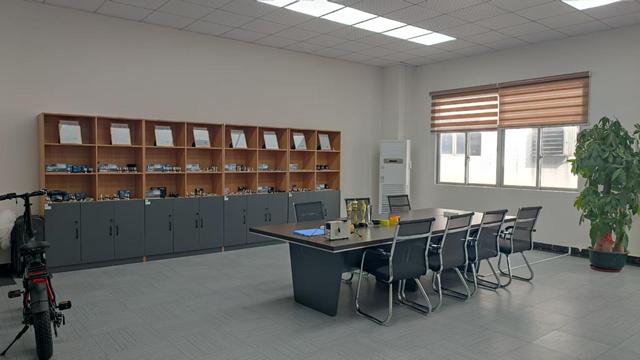
Established in 2012, Ningbo DERT Lighting Co., Ltd. is a professional manufacturer specializing in automotive lighting systems, LED headlights, and vehicle lighting solutions for global automotive aftermarket and OEM customers. Located in Ningbo, Zhejiang Province, China, the company operates a modern production facility covering approximately 18,000 square meters and employs more than 320 skilled professionals across engineering, manufacturing, quality assurance, research and development, and international sales departments.

DERT Lighting focuses on the design, development, and production of automotive lighting products, including LED headlight systems, vehicle lighting assemblies, signal lighting solutions, commercial vehicle lighting products, off-road lighting systems, and customized automotive illumination technologies. The company serves automotive brands, distributors, wholesalers, importers, fleet operators, and aftermarket suppliers across international markets.

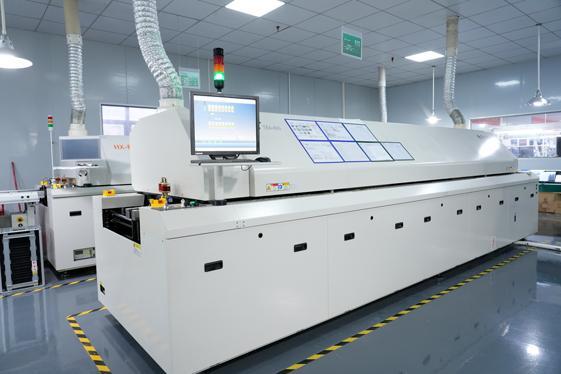
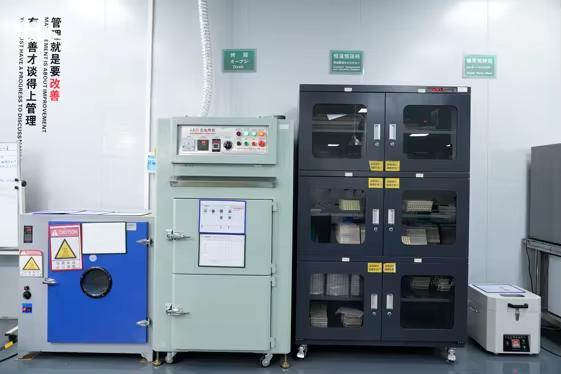
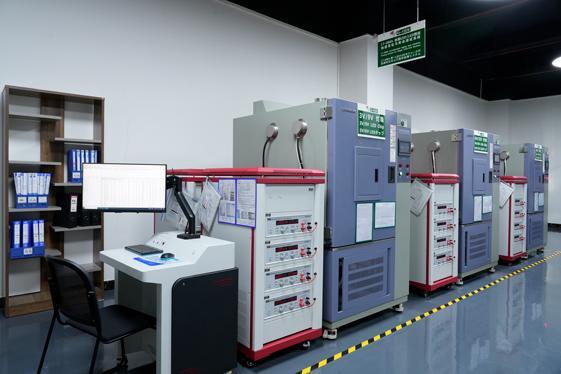
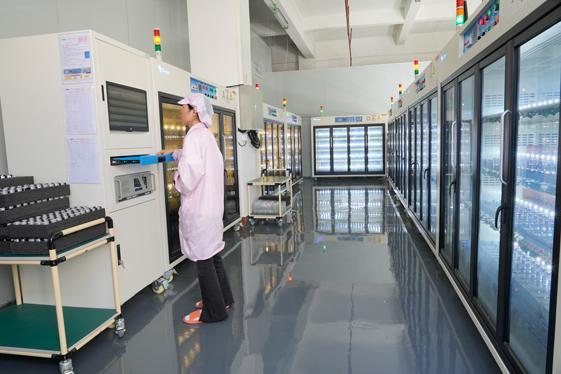
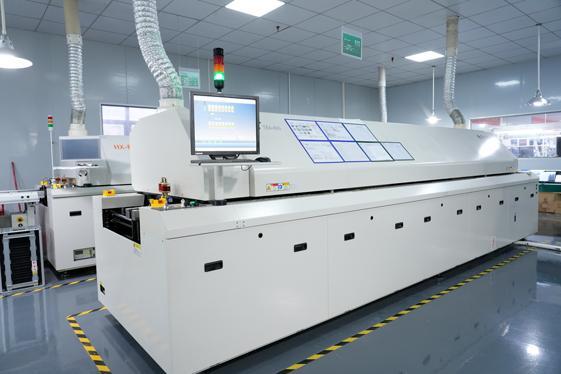
Supported by an experienced engineering team, DERT Lighting continuously invests in product innovation, optical design, thermal management technologies, electronic control systems, and manufacturing automation. The company integrates advanced production equipment, automated assembly lines, precision testing instruments, and standardized manufacturing processes to support consistent product quality and production efficiency.

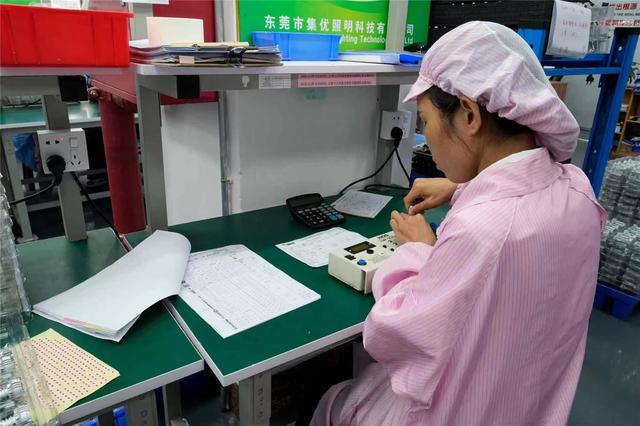
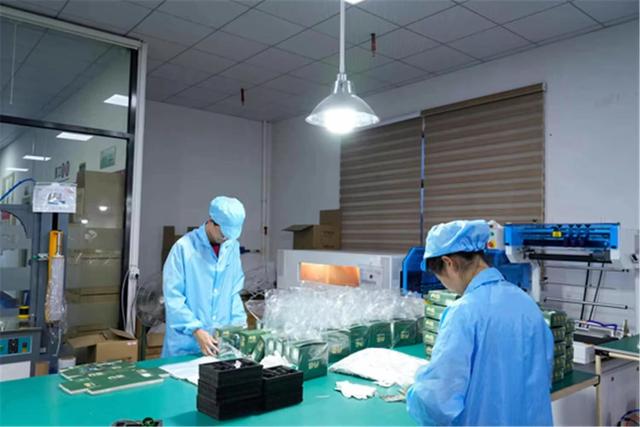
Quality management is implemented throughout every stage of production, from raw material sourcing and component inspection to assembly, performance testing, durability evaluation, and final quality verification. The company strives to manufacture automotive lighting products that meet the performance, reliability, and regulatory requirements of diverse international markets. In addition to standard product manufacturing, DERT Lighting provides comprehensive OEM and ODM services, including product development, branding support, customized specifications, packaging solutions, and private-label manufacturing programs. Flexible production capabilities allow the company to support both emerging automotive brands and established industry partners.

DERT Production Line 1
DERT Production Line 2
DERT Testing Laboratory 1
DERT Testing Laboratory 2
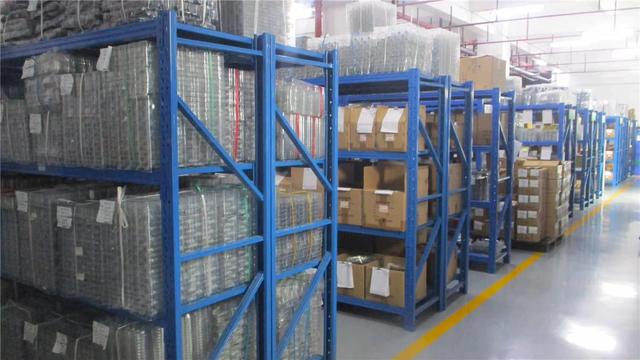
DERT Warehouse
DERT QC Check
DERT Optical Test Center
DERT Automated Assembly
DERT Injection Molding
DERT Raw Materials Depot

Specialized Technical Products & System Solutions

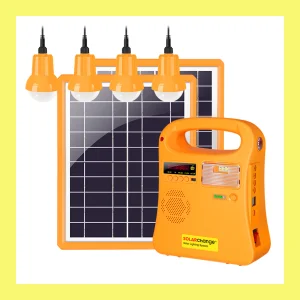
A comprehensive portfolio of customized energy, warning, and industrial solutions developed to meet strict European standards.

B2B Procurement FAQ: Automotive & Municipal Solutions

Expert insights regarding technical compliance, custom manufacturing, logistics pathways, and quality standards for Austrian buyers.

Q1: How do you guarantee the automotive lighting products meet E-Mark requirements for Austria?
Our products undergo testing under UNECE guidelines (such as ECE R112, ECE R19, and ECE R65) during the design phase. We partner with accredited European testing laboratories (like TÜV Rheinland, TÜV SÜD, and KBA) to secure E-Mark certificate documentation, guaranteeing seamless import and compliance under Paragraph 57a vehicle inspections.
Q2: What is the typical lead time and logistics route to transport orders from Ningbo to Austria?
Production cycles range between 20 to 30 days depending on order size. Shipments depart directly from Ningbo Port, taking the Suez Route to the Port of Koper (Slovenia) in approximately 28–32 days. From Koper, containerized freight connects via direct rail link into Austrian dry ports (Graz, Vienna, Linz) within 48–72 hours, resulting in an end-to-end B2B transit window of roughly 5 to 6 weeks.
Q3: How do your light housings hold up to extreme alpine winter temperatures and road salt exposure?
We employ corrosion-resistant housing plastics (such as glass-reinforced polybutylene terephthalate - PBT) combined with UV-stabilized polycarbonate lenses. All structures undergo standard ASTM B117 salt-spray and thermal shock cycling (-40°C to +105°C) to ensure internal circuitry and reflective coatings remain free of condensation and electrochemical degradation.
Q4: Do you offer custom OEM tooling and ODM packaging for private-label brands?
Yes. Our facility features internal R&D engineering teams, optical simulation tools, and mold-making equipment. We support our customers from product conceptualization through 3D CAD mockups, photometric testing, and custom retail packaging layouts, providing complete private-label support.
Q5: How does your factory manage electronic noise and comply with ECE R10 EMC standards?
Our LED drivers feature integrated EMI suppression circuits (using high-frequency inductors, solid capacitors, and localized metal shielding). This keeps electromagnetic radiation emissions well below the levels specified by ECE R10, protecting ADAS sensors, radio arrays, and GPS tracking hardware from signal interference.
Q6: What is the Minimum Order Quantity (MOQ) for custom-engineered lighting solutions?
Standard OEM production runs require an MOQ of 500 units per catalog SKU. Customized structural changes, housing adjustments, or bespoke cable connections are subjected to tooling development costs, with standard MOQs adjusted following structural evaluation.
Q7: How are optical testing procedures integrated into your Ningbo production lines?
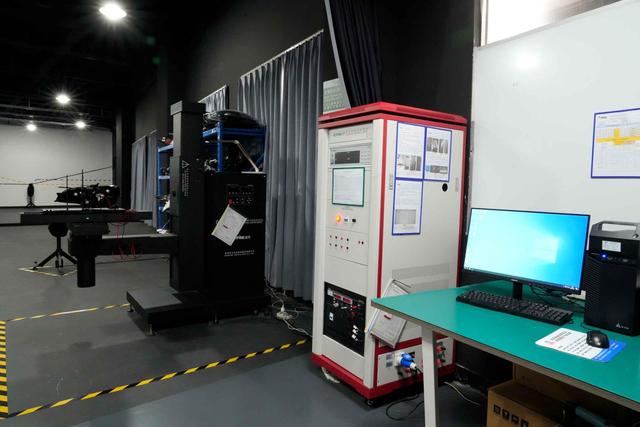
Every production batch undergoes goniophotometer verification to measure luminous intensity distribution, luminous flux, and color temperature consistency. During packaging, 100% of finished assemblies run through automated optical inspection (AOI) to verify LED chip placement, beam alignment, and diode operation.
Q8: Can your auxiliary energy solutions power remote roadside signs and public safety infrastructure?
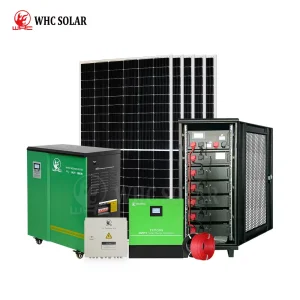
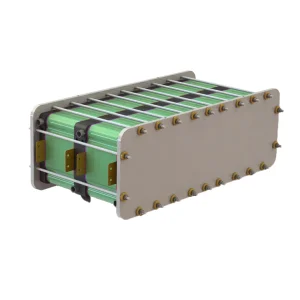
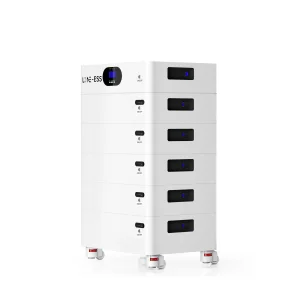
Yes. Our LiFePO4 battery modules (available in 5kW and 9.4kW configurations) are designed to integrate with outdoor solar arrays. These system packages provide stable 48V/51.2V DC power to remote roadside hazard signs, public monitoring systems, and mountain pass weather stations, maintaining power even during winter weather events.

Connect with Our Engineering and Logistics Teams

Are you looking to optimize your automotive supply chain or design custom, ECE-compliant vehicle lighting systems for the European market? Reach out to our B2B team today.

Send Inquiry Now